Stop Borrowing Tomorrow’s Worry
For years I confused the amount of attention I gave a problem with the amount of work I had done on it. If I thought about tomorrow continuously, it felt like I was taking tomorrow seriously. Sometimes I was. But I could also spend an hour imagining the trades not showing up without clarifying what needed to happen first. I knew the project. What I was doing was not preparation. It was rehearsal of a disaster I had written myself.
I remember one night before a big day on a project: work awaiting inspection, trades that had to deliver, a schedule that could not absorb another delay. I knew what the morning required. What kept me awake was everything that could go wrong. In a short time my mind left the details of the site and started on a different set of fears. What if I lost my position? What if my health kept me from working? I was in my bedroom with none of those things happening, and all of them happening at once in my head.
The worry that doesn’t deserve equal weight
My worries did not all deserve the same weight, though my mind made them feel equally urgent. I could worry about the air quality on the site, then about whether somebody wanted to make me look bad, then about rain, then about driving my truck through the mud and getting it dirty again. A real risk and a dirty truck got the same attention, which tells you what that attention was worth.
Standing on an empty lot worrying about the tenth floor does not establish what will hold it up. The foundation and the frame need attention, and the work has to move through the stages that make the next one possible. The fact that I am worried cannot substitute for giving clear information or verifying a requirement. Worry is not a task on the schedule.
The move: worry to task
Take the worry that has been traveling with you the longest and turn it into a task. Write the single action it actually requires: open the statement, make the appointment, sit down with the study material. Put it on a day this week. Do it, and write what you learned in one sentence. If no action is possible yet, write the date you will come back to it, and let it rest until then.
There is a point where useful preparation reaches its limit for the day. I have checked what can be checked, reached the person who needs to know, and written down what is left for the morning. Continuing to imagine failure after that reveals nothing new. It only takes the rest I need for the real work. I do not always manage to stop. I am better at noticing when I should.
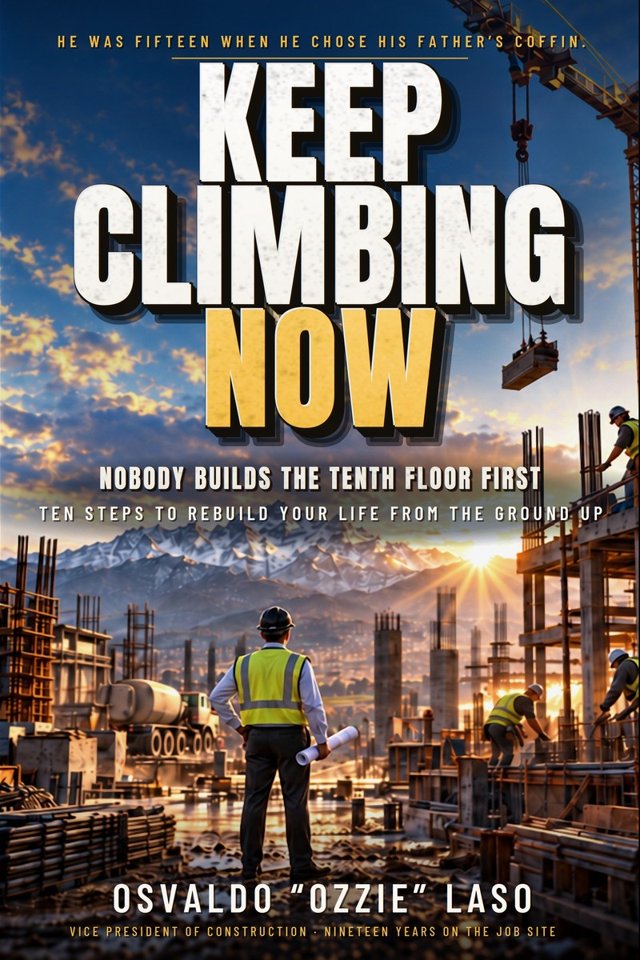
Keep Climbing Now: Nobody Builds the Tenth Floor First. Thirty-nine short chapters. Every one ends on the ground with something to do about it.